Urdu Unicode – What It Is, Purpose, Benefits, and Why It Matters
🔍 Try It: Urdu Unicode Inspector
Type any Urdu text below and see the Unicode code behind every character, plus live text statistics:
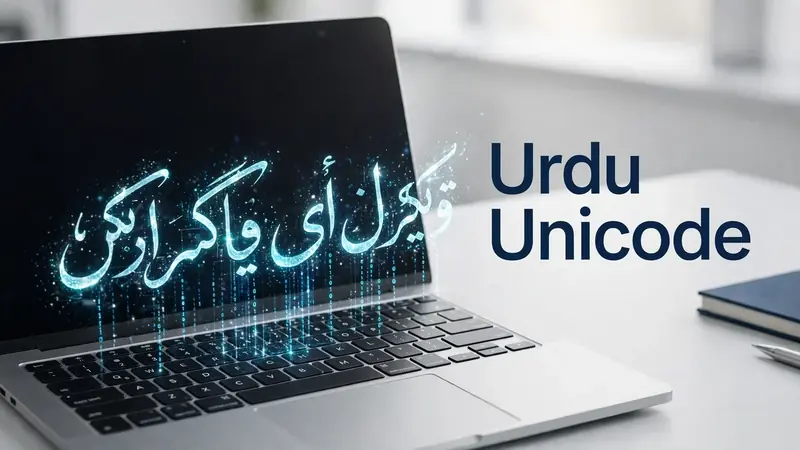
Urdu Unicode is the Unicode Standard for writing and displaying the Urdu script in digital formats. It gives every Urdu character a unique code, ensuring accurate and consistent text across devices. Websites, documents, mobile apps, and search engines rely on this standard to handle digital Urdu text correctly. As the global encoding system, Urdu Unicode improves readability, compatibility, and accessibility. It also helps users create, share, and search Urdu content without character errors or platform limitations.
What Is Urdu Unicode?
Definition of Urdu Unicode
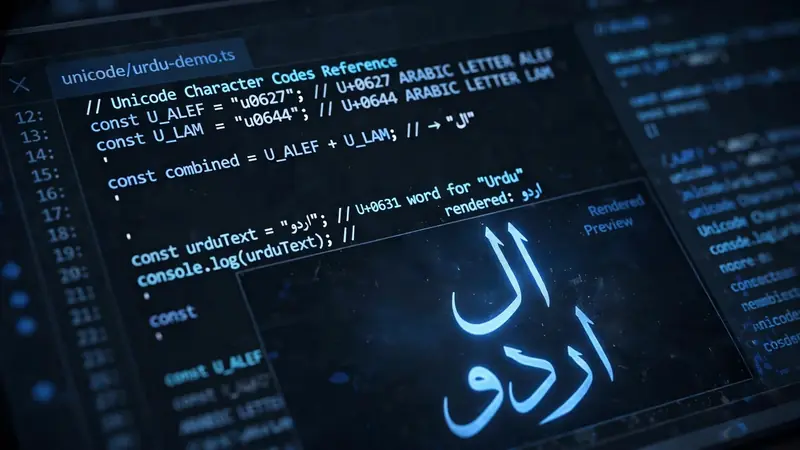
Urdu Unicode is the standard way to represent the Urdu language in digital form. It follows the Unicode Standard, which assigns a unique code point to every character. This character encoding system ensures that Unicode characters display correctly on different devices and software. It removes confusion caused by older encoding methods and creates a common format for digital communication.
Urdu Unicode supports the complete Urdu script while keeping every character consistent across platforms. It works with encoding formats such as UTF-8 and UTF-16, which store and transfer text efficiently. This universal system allows computers, websites, and applications to process Urdu text accurately without changing its meaning or structure.
Why Urdu Uses Unicode
The Urdu language needs one reliable standard for digital communication. Urdu Unicode provides that standard by keeping text consistent wherever users read or share it. It prevents incompatible text and ensures the same content appears correctly across websites, computers, smartphones, and other devices.
This consistency improves searchable text, making Urdu content easier for search engines to understand and index. It also supports digital publishing, helping organizations, educators, and businesses publish accurate Urdu content online. As a global standard, Unicode strengthens multilingual content by allowing Urdu to work alongside many other languages. Its broad language support makes Urdu more accessible across modern digital platforms and technologies.
Purpose of Urdu Unicode
Why Unicode Was Created
Digital systems once used different encoding methods for different languages. Those methods often caused display errors and poor compatibility. The Unicode Standard solved this problem by creating one global system for every character. It gives each Urdu character a permanent identity that remains the same across software and devices.
This approach improves consistency and interoperability between operating systems, applications, and websites. It also supports accurate text processing by helping computers store, display, and exchange Urdu text correctly. Unicode encoding follows international standards and promotes Unicode compliance across modern technologies. As a result, users enjoy reliable cross-platform compatibility and smoother digital communication.
Real-World Uses
Urdu Unicode supports many everyday digital activities. Websites and blogs use it to publish readable Urdu content that works across modern web browsers. Developers also use HTML, CSS, and JavaScript to display Unicode text consistently on web pages.
Schools, universities, and government departments rely on Unicode for official documents and online services. Email, messaging apps, and social media platforms use it to share clear and searchable Urdu text. Databases also store Unicode text accurately, helping websites and applications organize information that works well with Google Search and modern digital systems.
Unicode vs Legacy Encoding
What Is Legacy Encoding?
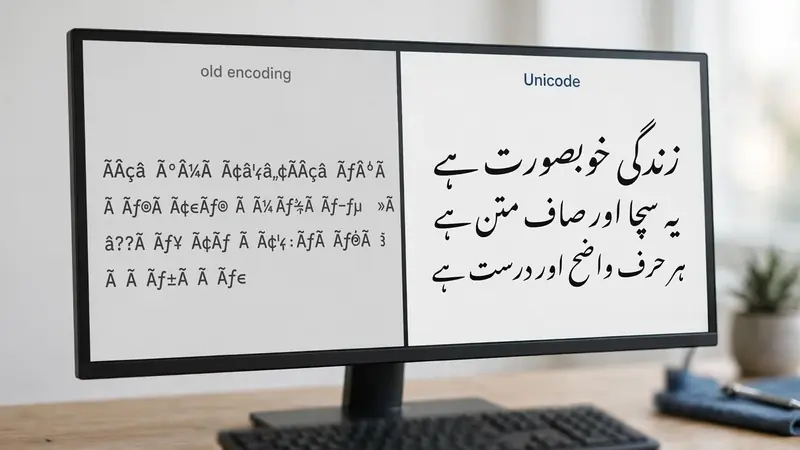
Legacy encoding refers to older systems that stored text using local or software-specific character sets. Many of these systems worked only in certain programs or operating environments. As a result, the same Urdu text could appear differently on another device or application.
This platform dependency often created compatibility issues. Users experienced missing characters, unreadable text, or incorrect display when sharing files. These limitations made legacy encoding unsuitable for today’s connected digital world.
Major Differences
Urdu Unicode and legacy encoding follow very different approaches. The Unicode Standard provides one universal character encoding system for every supported language. Legacy encoding depends on local or proprietary methods that may not work outside their original environment.
Unicode offers stable and consistent text across devices, operating systems, and applications. Legacy systems often produce inconsistent results because they lack a shared standard. Unicode also creates searchable text that supports search engine indexing, while older encodings can limit search visibility and text recognition.
Another key difference is standardization. Unicode follows internationally accepted specifications and encourages Unicode compliance across software and platforms. Legacy encoding relies on outdated technologies that cannot meet modern digital needs. Today, Unicode provides a reliable foundation for accurate communication, while legacy encoding remains limited by its older design.
Why Unicode Became the Global Standard
Unicode became the global standard because it solved long-standing compatibility problems. Technology companies, software developers, and web platforms adopted it to create a common language for digital text. This widespread support made Urdu and many other languages work reliably across devices and applications.
Today, Unicode powers websites, operating systems, mobile platforms, and online services around the world. Its strong software support, internet compatibility, and long-term sustainability make it the trusted standard for modern digital communication.
Benefits of Urdu Unicode
Better Compatibility
Urdu Unicode works smoothly across modern operating systems and devices. It displays the same text on Microsoft Windows, Android, iPhone, macOS, and Linux without changing characters. This consistency helps users create, read, and share Urdu content with confidence. It also reduces formatting problems when files move between different platforms and applications.
Better Searchability
Search engines understand Unicode text more accurately than outdated encoding systems. Google Search reads and indexes Unicode content efficiently, improving Google Indexing and search visibility. This makes Urdu pages easier to discover in search results. Website owners also gain SEO benefits because searchable text helps search engines understand page content more clearly.
Easy Sharing
Urdu Unicode makes sharing text simple and reliable. Users can copy and paste content without losing characters or formatting. The same text works well in messaging apps, email, and social media platforms. Everyone sees the intended content, regardless of the device or application they use.
Long-Term Reliability
The Unicode Standard is an internationally accepted system for digital text. It provides stable encoding that remains consistent as technology evolves. This future-proof approach protects Urdu content for years to come. Organizations can create digital resources with confidence, knowing the text will remain accessible across modern platforms.
Better User Experience
A consistent reading experience builds trust and improves usability. Urdu Unicode displays text correctly without broken characters or unexpected symbols. Readers can focus on the content instead of fixing display problems. This reliability creates a smoother experience on websites, applications, and digital documents.
Cross-Platform Compatibility
Works Across Devices
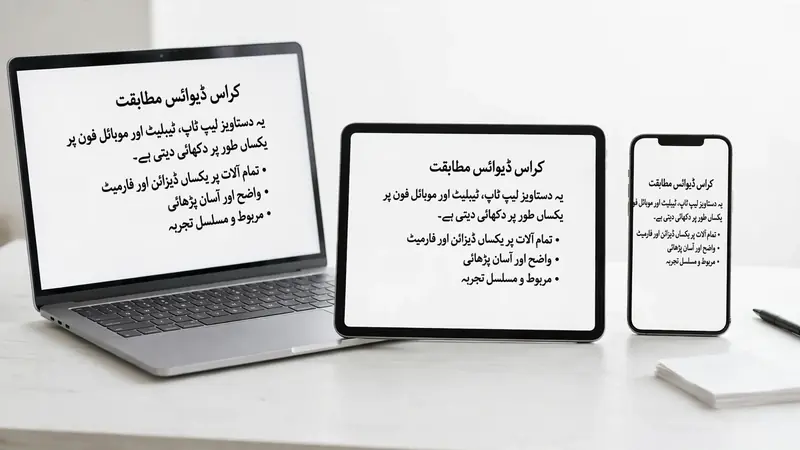
People use many devices to access Urdu content every day. Urdu Unicode keeps text accurate on desktops, laptops, tablets, and smartphones. Readers see the same characters whether they open a website, document, or application. This consistency helps students, professionals, businesses, and everyday users communicate without technical barriers. It also supports flexible access from home, school, work, or while traveling.
Works Across Operating Systems
Urdu Unicode performs consistently across Windows, Android, macOS, Linux, and iPhone. It supports strong cross-platform compatibility, allowing the same text to work across different environments. It also improves mobile compatibility by displaying Urdu clearly on smartphones and tablets. Modern web technologies and browser compatibility ensure that Unicode text appears correctly in today’s browsers, making digital Urdu content reliable for every user.
Unicode Support
Browser Support
Modern web browsers fully support Urdu Unicode. Google Chrome, Microsoft Edge, Mozilla Firefox, and Safari display Unicode text consistently without extra configuration. This support helps websites present readable Urdu content across different devices. It also allows users to browse, search, and interact with Urdu web pages without character display issues.
Software & Application Support
Urdu Unicode works with most modern software and online services. Word processors, web applications, content management systems (CMS), email clients, and messaging apps all support Unicode text. Web technologies such as HTML, CSS, and JavaScript also handle Unicode efficiently. This broad support helps developers, businesses, and content creators deliver a consistent Urdu experience across digital platforms.
Why Urdu Unicode Matters Today
Digital communication depends on accurate and accessible text. Urdu Unicode makes this possible by providing one reliable standard for every platform. It supports Web Publishing, helping websites deliver clear and searchable Urdu content. Schools, government organizations, and businesses also rely on it to create accurate Digital Urdu Content. Because it produces Searchable Text, search engines can understand and index Urdu pages more effectively. The Unicode Standard keeps Urdu ready for today’s technology and future digital innovations.
Frequently Asked Questions (FAQ)
What is Urdu Unicode?
Urdu Unicode is the international standard for representing Urdu characters in digital form. It assigns a unique code to every character, ensuring accurate display across websites, applications, documents, and devices.
Why is Unicode important?
Unicode keeps Urdu text consistent across different platforms and software. It improves compatibility, supports searchable content, and enables reliable digital communication without character display problems.
Is Unicode an international standard?
Yes. Unicode is an internationally recognized standard used worldwide. Technology companies, software developers, and web platforms rely on it to represent text accurately across multiple languages.
Does Unicode work on all devices?
Yes. Urdu Unicode works on desktops, laptops, tablets, and smartphones. It also supports major operating systems and modern web browsers, providing a consistent reading experience.
Why is Unicode better than legacy encoding?
Unicode uses one universal character encoding system instead of software-specific methods. This approach improves compatibility, supports search engines, and prevents the display issues common with legacy encoding.
Is Unicode useful for websites?
Yes. Unicode helps websites publish searchable Urdu content that displays correctly in modern browsers. It also improves accessibility, user experience, and search engine visibility.
Conclusion
Urdu Unicode is the global standard for writing Urdu in the digital world. It ensures consistent text across devices, operating systems, browsers, and applications. It strengthens digital communication, supports search engines, and improves online accessibility. As technology continues to evolve, Unicode provides a reliable foundation for creating, sharing, and preserving accurate Urdu content across every modern platform.
Related Guides
- Urdu Unicode Converter
- Urdu Fonts: Complete Guide to Types, Unicode, Nastaliq & Best Fonts
- Urdu Font Converter
Try our free Urdu Keyboard tool to type Urdu online instantly.