Urdu Keyboard Uses: Practical Ways to Type in Urdu for Everyday Tasks
🔍 Explore Urdu Keyboard Uses — Click a Group
Who uses an Urdu keyboard? Click any card to see how each group benefits.
People use Urdu every day for study, work, and personal communication. An Urdu keyboard makes it easy to write in your native language across digital platforms. This guide explores Urdu Keyboard Uses through real-life examples. It covers how students, teachers, writers, bloggers, journalists, businesses, and government offices use Urdu for everyday tasks, from messaging and social media to email and official communication.
Urdu Keyboard Uses in Everyday Communication
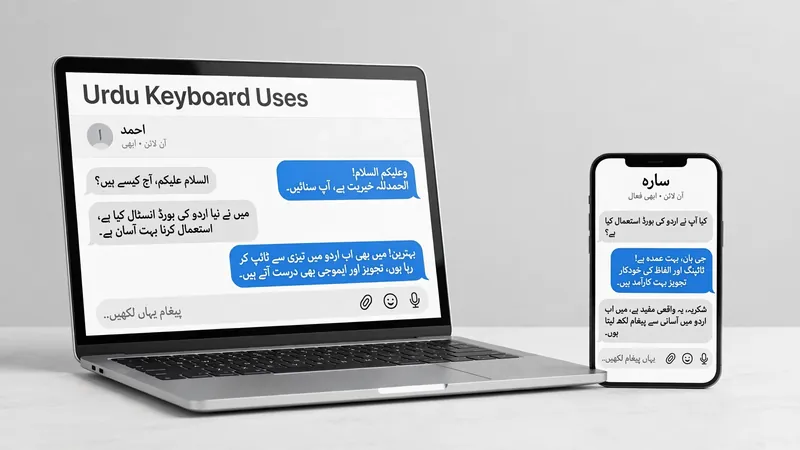
People use an Urdu keyboard every day to stay connected in their preferred language. It helps them write clear messages, share thoughts, and interact naturally across different platforms. From personal chats to public posts, Urdu typing supports smooth digital communication in many daily situations.
Personal Conversations
Many people chat with family and friends in Urdu every day. They send greetings, discuss daily plans, and share important updates. Writing in Urdu makes conversations feel natural and easy to understand, especially for older family members who prefer their native language.
Messaging Apps
Apps like WhatsApp, Messenger, and Telegram support Urdu conversations. People use them to send text messages, coordinate events, discuss school or work, and stay in touch with relatives. Urdu typing keeps messages clear and matches the language users speak every day.
Social Updates
People write posts, captions, and comments in Urdu on Facebook, Instagram, and X. They share opinions, celebrate special moments, and join online discussions. Many creators also publish Urdu content to connect with audiences who prefer reading and responding in their native language.
Urdu Keyboard Uses for Students
Students use an Urdu keyboard to complete academic tasks and communicate during their studies. It helps them write in Urdu when schools, colleges, or teachers require native-language content. Many educational activities now happen on digital devices, making Urdu typing part of daily learning.
Completing Assignments
Students prepare essays, homework, and project reports in Urdu. They type answers on computers, tablets, or smartphones before sharing them with teachers. Many schools also accept digital assignments through learning portals or email.
Taking Study Notes
Students record lecture points, important definitions, and revision notes in Urdu. Digital notes stay organized and remain easy to search later. Many learners also save class summaries on their phones for quick review before exams.
Group Discussions and Class Chats
Students use WhatsApp, Messenger, and Telegram to discuss lessons and share study material. They ask questions, exchange class updates, and plan group projects in Urdu. Clear communication helps every member understand tasks and stay connected throughout the academic session.
Urdu Keyboard Uses for Teachers
Teachers use an Urdu keyboard to prepare learning material and communicate with students in a clear, familiar language. Many schools now combine classroom teaching with digital communication. Urdu typing helps teachers create written content that students and parents can easily understand.
Preparing Educational Material
Teachers write lesson plans, worksheets, quizzes, and classroom activities in Urdu. They also prepare reading passages, exam papers, and revision material for different grade levels using digital devices.
Communicating with Students
Teachers send homework, class updates, and important reminders through WhatsApp, Messenger, or school learning platforms. They answer student questions and provide guidance in Urdu to avoid confusion and improve understanding.
Writing Notices and Instructions
Schools share notices, exam schedules, event announcements, and classroom instructions in Urdu. Teachers also prepare circulars for parents and students. Clear Urdu communication helps everyone understand important information without language barriers. Educational organizations, including UNESCO, recognize the importance of learning in a learner’s first language for effective communication and education.
Urdu Keyboard Uses for Writers and Authors
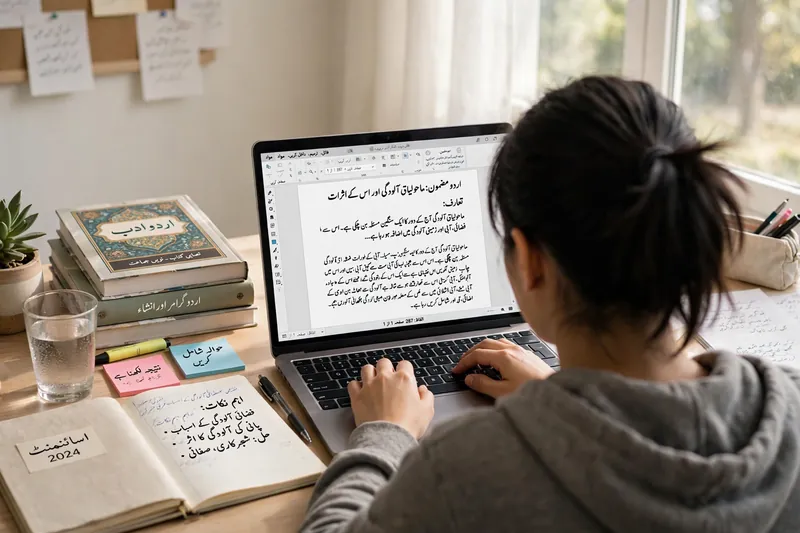
Writers and authors use an Urdu keyboard to create original content in their preferred language. Many write directly on computers or mobile devices instead of paper. Digital writing makes it easier to organize drafts, revise ideas, and prepare content for publication in print or online.
Drafting Stories and Articles
Writers create short stories, novels, articles, and opinion pieces in Urdu. They develop ideas, build outlines, and complete manuscripts using word processors or writing applications. Many newspapers and magazines also accept digital submissions.
Poetry and Creative Writing
Poets compose ghazals, nazms, and other literary works in Urdu. They write verses, refine expressions, and preserve the beauty of the language in digital format. Many also share their work with literary communities and online readers.
Editing Urdu Content
Authors review grammar, spelling, punctuation, and sentence flow before publishing. They revise manuscripts, improve clarity, and prepare final drafts for editors or publishers. The Unicode Standard also supports consistent Urdu text across modern devices and publishing platforms, helping writers maintain accurate digital content.
Urdu Keyboard Uses for Bloggers and Content Creators
Bloggers and content creators use an Urdu keyboard to publish content for audiences who prefer reading in Urdu. Many websites, social platforms, and digital publications now support Urdu text. This allows creators to share ideas, information, and updates in a language their readers understand.
Writing Blog Posts
Bloggers write educational articles, travel stories, product reviews, and opinion pieces in Urdu. They publish content that answers reader questions and covers topics relevant to local communities and Urdu-speaking audiences.
Publishing Website Content
Website owners create pages, announcements, and informational content in Urdu. Many businesses, schools, and organizations also publish Urdu content to reach visitors more effectively. Search engines, including Google, support indexing Unicode-based Urdu text.
Creating Captions and Online Content
Content creators write captions, community posts, and short updates for Facebook, Instagram, and X. They also create promotional text, campaign messages, and audience announcements in Urdu to match the language of their followers.
Urdu Keyboard Uses for Journalists
Journalists rely on an Urdu keyboard to prepare accurate news content and communicate information quickly. Digital publishing has become a standard part of modern journalism. Urdu typing helps reporters produce content for newspapers, websites, and news apps without changing their writing language.
Writing News Reports
Journalists write breaking news, interviews, feature stories, and editorials in Urdu. They prepare articles for newspapers, television channels, and online news platforms while maintaining clear and consistent language.
Field Reporting
Reporters record observations, interview responses, and event details on mobile devices. They type updates in Urdu and send them to editors from the field. This speeds up newsroom coordination during live coverage.
Publishing Digital News
News organizations publish Urdu reports on websites, mobile apps, and social media platforms. Readers access updates through digital channels throughout the day. Many publishers follow the Unicode Standard, which keeps Urdu text readable across browsers, devices, and operating systems.
Urdu Keyboard Uses in Business Communication
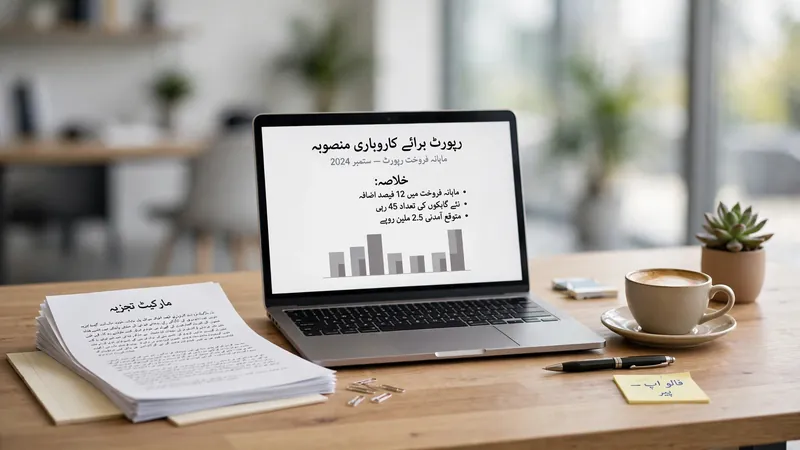
Many businesses use an Urdu keyboard to communicate with customers, employees, and local communities. Clear communication in Urdu helps organizations handle daily operations across different industries. From customer interactions to marketing campaigns, Urdu typing supports professional communication where the audience prefers the national language.
Customer Support
Customer service teams reply to inquiries, solve problems, and provide product information in Urdu. They communicate through WhatsApp, live chat, email, and social media. Using Urdu helps customers understand instructions, service updates, and responses without language confusion.
Business Documents
Companies prepare invoices, quotations, notices, meeting agendas, and internal announcements in Urdu when required. They also create employee guidelines and workplace documents for teams that work primarily in the national language.
Marketing and Promotions
Businesses create advertisements, promotional posts, product descriptions, and campaign messages in Urdu. They publish content on websites, Facebook, Instagram, and other digital platforms to connect with local audiences. Many brands also use Urdu during seasonal campaigns, community events, and public awareness initiatives to communicate with customers in a familiar language.
Urdu Keyboard Uses in Government and Public Services
Government departments use an Urdu keyboard to prepare official content and communicate with citizens. Since Urdu serves as Pakistan’s national language, many public offices issue information in Urdu to improve accessibility. Digital communication also allows departments to share updates across websites and online services.
Official Documents
Government offices prepare forms, circulars, public notices, certificates, and administrative records in Urdu. Many departments also maintain digital documents that staff can access, update, and archive when needed.
Public Announcements
Public institutions publish policy updates, health advisories, election information, and emergency notices in Urdu. They share these announcements through official websites, social media pages, and local information channels to reach a wider audience.
Citizen Communication
Government departments answer public inquiries, provide service information, and respond to applications in Urdu. Many offices also use email, online portals, and messaging services to communicate with citizens. Pakistan’s Constitution recognizes Urdu as the national language, making it an important medium for public communication.
Urdu Keyboard Uses for Email Communication
Email remains an important tool for formal and everyday communication. An Urdu keyboard allows people to write messages in Urdu when the recipient prefers the language. This supports clear communication in schools, offices, organizations, and public institutions.
Professional Emails
Businesses send client updates, meeting invitations, project details, and service information in Urdu when appropriate. Employees also exchange internal messages and official notices using Urdu to match workplace communication needs.
Educational and Official Correspondence
Schools, colleges, universities, and government offices use Urdu emails to share admission details, examination schedules, notifications, and official instructions. Writing in Urdu helps recipients read and understand important information without relying on another language.
Frequently Asked Questions
What are the main uses of an Urdu keyboard?
An Urdu keyboard helps people write in Urdu for daily communication, education, business, journalism, government work, social media, messaging apps, websites, and email. It supports clear written communication wherever Urdu content is needed.
Who commonly uses an Urdu keyboard?
Students, teachers, writers, bloggers, journalists, business professionals, government employees, and content creators regularly use an Urdu keyboard. Anyone who writes in Urdu for personal or professional purposes can use it effectively.
Can businesses use an Urdu keyboard?
Yes. Businesses use an Urdu keyboard to communicate with customers, prepare documents, create marketing content, answer support requests, and publish updates. It helps organizations serve Urdu-speaking audiences through digital communication.
Is an Urdu keyboard useful for students and teachers?
Yes. Students use it for assignments, notes, and group discussions. Teachers use it to prepare educational material, share classroom instructions, and communicate with students and parents in Urdu.
Can an Urdu keyboard be used for social media and email?
Yes. People use an Urdu keyboard to write posts, captions, comments, and direct messages on social media platforms. They also use it to send personal, educational, business, and official emails in clear and natural Urdu.
Conclusion
Urdu plays an important role in everyday digital communication. People use an Urdu keyboard in schools, workplaces, newsrooms, businesses, government offices, and online communities. It supports writing across messaging apps, social media, websites, and email. These practical examples show how Urdu Keyboard Uses extend beyond simple typing and support real communication needs in both personal and professional life.
Related Guides
Try our free Urdu Keyboard tool to type Urdu online instantly.