Urdu Typing
Urdu typing means writing the Urdu language on digital devices instead of using pen and paper. It helps you create Urdu text for many everyday tasks. Today, people use Urdu Typing for personal, educational, and professional communication. As more services move online, digital Urdu has become an important part of daily life.
اردو ٹائپنگ ایڈیٹر (پرو)
Unlike handwritten text, digital Urdu follows the Unicode standard. Unicode keeps Urdu characters consistent across different devices and operating systems. This standard helps preserve the beauty and readability of the Urdu script while making digital content easy to share. One unique feature of Urdu is its right-to-left writing direction. Understanding this basic concept makes it easier to learn how digital Urdu works. You do not need advanced technical knowledge to get started.
What Is Urdu Typing?
Simple Definition of Urdu Typing
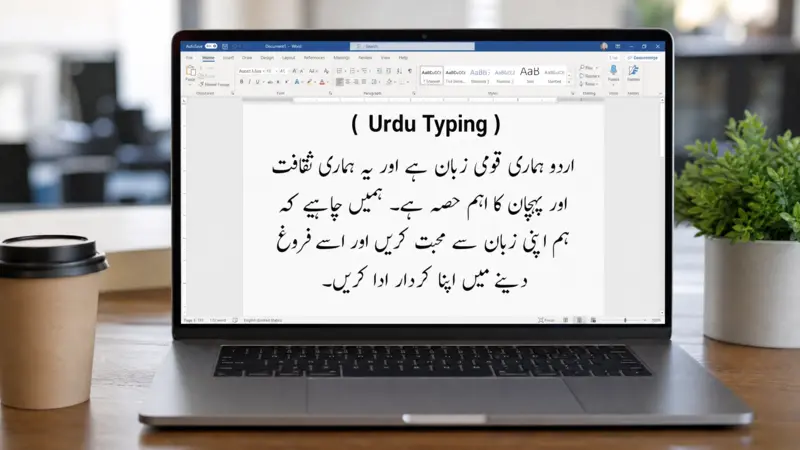
Urdu Typing is the process of creating Urdu writing on a digital device. Instead of using a pen, you enter Urdu characters to produce readable digital text. The text follows the rules of the Urdu script, making it easy to read and understand. Urdu typing creates the same language you write by hand. The only difference is the medium. Your words appear on a screen instead of paper. This makes it easier to store, edit, and share written content while preserving the original meaning.
How Urdu Typing Differs from Writing on Paper
Handwriting depends on pen movements and paper. Urdu typing uses character input to create Urdu text on digital devices such as computers, tablets, and smartphones. Handwritten text may vary from person to person. Digital text stays clear and consistent. You can edit mistakes without rewriting the entire page. You can also save documents for future use without losing quality.
Where Urdu Typing Is Used Today
Urdu typing supports many daily activities. Students prepare assignments and study materials. Professionals create documents, reports, and official emails. People write messages for personal and workplace messaging. Schools, colleges, and universities use it for education. Businesses prepare records and customer materials. Government departments create official documents, while the publishing industry produces books, newspapers, and magazines.
The Unicode standard and compatible Urdu fonts ensure text displays correctly across modern systems. This consistency makes Urdu typing a reliable part of today’s digital communication.
Why Urdu Typing Is Important Today
Personal Communication
Urdu Typing makes everyday communication simple and clear. People write messages to family, friends, and colleagues in their native language. They also create letters and personal notes with ease. Writing in Urdu helps express thoughts naturally and reduces misunderstandings. It also preserves the warmth and cultural identity of the Urdu language in daily conversations.
Education and Learning
Urdu typing plays an important role in education. Students prepare assignments, class projects, and research work in digital format. Teachers create study material that is easy to read and update. Digital Urdu text also helps learners organize information, revise lessons, and maintain accurate academic records. These skills support both classroom learning and independent study.
Professional and Business Use
Many workplaces rely on Urdu Typing for clear and professional communication. Employees prepare reports, office documents, notices, and official records in Urdu. Media organizations produce news articles, magazines, and editorial content, while publishers create books, journals, and other printed materials using digital Urdu documents. Consistent digital text improves accuracy, makes editing easier, and supports long-term record keeping. As more organizations adopt digital workflows, the ability to work with Urdu content becomes an increasingly valuable skill across business, education, media, and public services.
Understanding the Basics Before You Start Urdu Typing
Understanding Urdu Script
Learning the Urdu script is the first step toward Urdu Typing. Urdu uses right-to-left writing, so every sentence begins on the right side of the page or screen. The Urdu alphabet contains letters that join together to form words. These words then combine to create complete sentences. Many Urdu characters change their shape based on their position in a word. Understanding this writing system makes reading and writing easier and builds a strong foundation for digital Urdu.
Digital Text and Unicode
Digital Urdu relies on Unicode, a global standard for representing text across computers and devices. The Unicode Standard assigns a unique code to every Urdu character. This process, known as character encoding, ensures the correct letters appear on different platforms. Most modern systems use UTF-8, a widely accepted Unicode encoding format. It supports Unicode Urdu and many other languages. Good font compatibility also helps display Urdu text clearly without changing its meaning or appearance.
How Urdu Text Appears on Different Devices
Modern devices display Urdu text in a consistent way. Whether you use a mobile, desktop, or tablet, the text should appear correctly when the system supports Unicode. Screen size may change the layout, but the content remains the same. Clear fonts improve readability and keep the Urdu script easy to understand. This consistency allows users to read, edit, and share Urdu documents confidently across different devices.
Different Ways Urdu Typing Can Be Done
There is more than one way to create digital Urdu text. Each method serves different users and situations. Some people prefer entering Urdu characters directly, while others begin with familiar English letters. Mobile devices also offer simple ways to write in Urdu. New technologies continue to make Urdu typing more accessible. The following overview introduces these approaches without going into technical details.
Direct Urdu Character Input
This method creates text by entering Urdu characters directly in the Urdu script. It gives users full control over the final text. Many experienced writers, editors, and professionals use this approach when preparing accurate Urdu documents.
English-to-Urdu Transliteration
English-to-Urdu transliteration lets users write Urdu words with English letters. The system then converts them into Urdu script. Many beginners choose this method because it feels familiar. It provides another way to start Urdu Typing without changing the language being written.
Mobile-Based Urdu Input
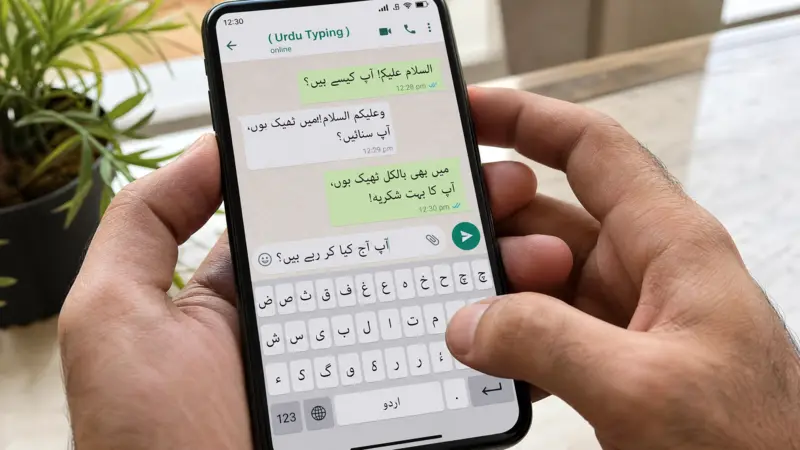
Modern smartphones and tablets support Urdu Typing through built-in language features and input options. This allows users to create Urdu text while communicating, studying, or managing daily tasks. The overall experience may differ between devices and operating systems.
Other Input Technologies
Technology continues to expand the ways people create Urdu text. Speech recognition converts spoken words into written text. Optical Character Recognition (OCR) changes printed pages into editable digital content. AI-assisted input helps improve text creation through intelligent suggestions and automation. These technologies support different needs and continue to evolve with advances in language processing.
Common Challenges Beginners Face in Urdu Typing
Starting Urdu Typing can feel unfamiliar at first. Most beginners face a few common challenges while learning the basics. These difficulties are normal and become easier with understanding and regular use.
Adjusting to a Different Script
The Urdu script follows a right-to-left reading direction, which may seem different if you usually read left to right. This change requires some attention in the beginning. As you read more Urdu text, the writing direction becomes natural and easier to follow.
Recognizing Urdu Characters
Some Urdu characters look similar, especially to new learners. A few letters differ only by small marks or dots. Many letters also change their shape when they connect with other letters in a word. Learning to identify these similar letters and connected letters helps you read and write with greater accuracy.
Understanding Digital Text
Digital Urdu works differently from handwritten text. Modern systems use Unicode to represent every Urdu character correctly. Compatible fonts display those characters in a clear and readable form. When both work together, the text appears consistent across supported devices and applications.
Building Confidence
Every learner starts with the same goal—understanding the basics. Focus on learning one concept at a time instead of trying to master everything at once. Read simple Urdu text, notice how words are formed, and celebrate small improvements. Confidence grows through steady learning, and each step builds a stronger foundation for using Urdu in the digital world.
Beginner Mindset for Learning Urdu Typing
Start with Understanding Instead of Speed
Begin your Urdu Typing journey by understanding the basics. Learn how the Urdu script forms letters, words, and sentences. A strong foundation helps you avoid confusion later. When you understand the writing system, every new concept becomes easier to learn.
Focus on Accuracy and Familiarity
Write with care and pay attention to each word. Recognize Urdu characters and understand how they appear in different words. Read digital Urdu regularly to become familiar with the language. Accurate writing builds confidence and improves the quality of your Urdu text over time.
Learn Step by Step
Learning Urdu typing is a gradual process. Master one concept before moving to the next. Start with simple words, then progress to sentences and complete documents. Review what you learn and apply it in real situations. Small, consistent steps create lasting knowledge and make Urdu writing feel natural. A patient approach helps you build confidence and prepares you for more advanced topics in the future.
Basic Urdu Typing Workflow
Think in Urdu Words
Start by thinking in simple Urdu words and short sentences. Focus on expressing your ideas clearly. A clear thought process helps you create meaningful Urdu text and reduces unnecessary mistakes during writing.
Enter the Text Digitally
The next step is to enter your ideas into a digital document. Each word becomes part of structured Urdu writing that you can read, edit, and organize. Modern systems process Unicode text, which helps display Urdu characters correctly across supported devices and applications.
Review the Written Text
Always read your content after writing it. Check that every word conveys your intended meaning. Look for spelling or formatting issues that may affect readability. A careful review improves the quality of your Urdu Typing and creates a more professional result.
Save or Share the Document
After reviewing your work, save the document in a suitable format for future use. You can also share it with teachers, colleagues, clients, or family members when needed. Digital documents remain easy to update, store, and organize. This simple workflow helps you create accurate Urdu documents and supports clear digital communication in education, business, and everyday life.
Common Misconceptions About Urdu Typing
Many people avoid Urdu Typing because of common misconceptions. One belief is that it is too difficult to learn. In reality, understanding the basics makes the process much easier. Another myth is that it requires special technical knowledge. Most beginners only need to learn the fundamentals of the Urdu script and digital text.
Some people also believe that only experts can write Urdu on digital devices, but this is not true. Students, teachers, writers, and everyday users can all learn Urdu writing through regular practice. Another common misconception is that Urdu typing is only useful for professionals. In reality, people use Urdu text for personal communication, education, official documents, and many daily activities. With the right approach, anyone can develop this valuable digital skill.
Conclusion
Urdu Typing is the process of creating Urdu text in digital form. It helps people communicate, learn, and work more effectively in the Urdu language. From personal messages to official documents, digital Urdu has become an important part of everyday life.
A strong understanding of the Urdu script, Unicode, and basic digital concepts can make learning easier. These fundamentals help you create accurate, readable, and well-structured Urdu content across modern devices. You do not need advanced knowledge to get started. A clear understanding of the basics is enough to build confidence. Learn one concept at a time and practice it in real situations. With patience and regular use, Urdu writing becomes more natural. A strong foundation today will make each future step in your Urdu typing journey easier and more rewarding.